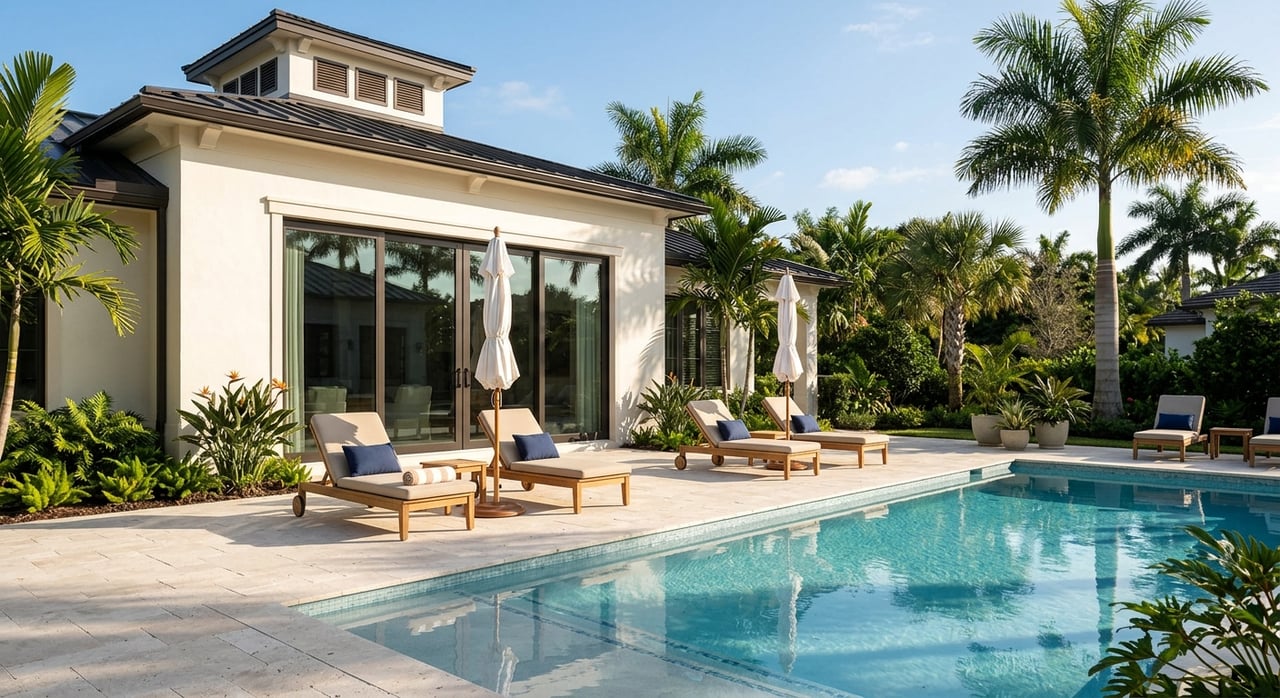
Parkland Gated Community Amenities and HOA Life
May 21, 2026
May 21, 2026
If you are drawn to Parkland for its polished communities, green space, and resort-style feel, it helps to know that not all amenities work the same way. Some perks come from the city, while others are tied directly to a homeowners association and the costs and rules that come with it. When you understand that difference before you buy, you can make a more confident decision about both your lifestyle and your monthly budget. Let’s dive in.
Parkland offers a strong mix of public recreation and private community amenities. The city lists 11 parks, a pathways and trails network that is open from sunrise to sunset, and the 24,700-square-foot Parkland Recreation and Enrichment Center with more than 100 programs. The city also sponsors year-round events such as a farmers' market, Halloween Festival, Movies in the Park, Snowfest, and a community carnival.
That public lifestyle is only part of the picture. Many planned communities in Parkland add private amenities like gated entrances, clubhouses, pools, courts, playgrounds, fitness areas, and social spaces. Those private features are usually funded through HOA dues and governed by association rules.
This is one of the biggest distinctions buyers should understand early. City parks, trails, recreation programs, and public events are community-wide resources. They are not tied to the ownership costs or rules of a specific neighborhood.
Private amenities are different. In communities with an HOA, features like gate access, sports facilities, pools, and club spaces are typically part of the association structure. That means your access comes with ongoing fees, governing documents, and community standards.
If you only focus on the home itself, you can miss part of the true ownership picture. A neighborhood with more amenities may offer more convenience and lifestyle value, but it may also come with higher monthly costs or more detailed rules. On the other hand, a lower-fee community may simply offer fewer shared features or less reserve funding.
Florida law reflects that reality. Association budgets must separately list fees or charges paid for recreational amenities, whether those amenities are owned by the association, the developer, or another party. That makes it important to review what you are actually paying for, not just the total monthly number.
Parkland buyers often see amenity packages built around convenience, recreation, and shared upkeep. Depending on the community, those features can range from simple neighborhood parks to more extensive lifestyle offerings.
Common examples include:
In some larger communities, the amenity package can be extensive. Parkland Golf & Country Club describes a gated residential community of about 790 acres with a 43,000-square-foot Sports Club, a fitness center, kids' area, resort-style pools, racquet sports courts, and a poolside café and bar. The Landings lists two guard-gated entrances, a community park, picnic and BBQ areas, tennis, basketball, volleyball, a playground, and fitness trails.
Buying in an HOA community in Parkland often means trading some flexibility for shared maintenance, organized amenities, and a more structured neighborhood environment. For many buyers, that trade-off is worthwhile. Still, it is best to know what daily life may look like before you commit.
Under Florida law, a prospective buyer in an HOA community must become an association member, follow the recorded covenants, and pay assessments. The required disclosure also warns that buyers may owe special assessments to a municipality, county, or special district, and that unpaid assessments can create a lien.
Association rules may shape how you use the property and common areas. Florida law allows associations to enforce the declaration, bylaws, and reasonable rules through fines or temporary suspension of common-area use rights after notice and a hearing. That said, a suspension cannot block access to the parcel itself or parking tied to the home.
In practical terms, buyers should expect that guest policies, parking standards, amenity hours, exterior changes, and use of shared facilities may all be governed by written rules. The goal is not to assume every community works the same way, but to confirm the specifics for the one you are considering.
HOA life is not just about pools and gates. It also includes how the association operates. Florida law says board meetings are open to members, and official records must include items such as the declaration, bylaws, current rules, meeting minutes, budgets, insurance policies, contracts, and financial records.
For larger associations, key documents and notices must also be posted on a member-accessible website or app. That level of recordkeeping can be helpful if you want a clearer view of how the community is managed and how decisions are made.
It is easy to compare neighborhoods by monthly dues alone, but that number does not tell the full story. A lower fee is not automatically better, and a higher fee is not automatically a problem. What matters is what the fee covers, how the budget is structured, and whether the association appears prepared for future expenses.
Florida law requires the budget to show annual operating expenses, reserve accounts if used, and fees or charges tied to recreational amenities. If reserves are not fully funded, the financial report must include a warning that special assessments may be needed. That is why reviewing the budget and financial report is just as important as touring the pool or clubhouse.
Before you move forward, ask questions like:
These questions can help you understand whether the community fits your comfort level, both financially and practically.
In Parkland, some properties may sit inside a special district in addition to the HOA. This is an important detail because it can affect your total monthly or annual carrying costs. If you only review the HOA amount, you may miss another expense tied to the property.
For example, the McJunkin at Parkland Community Development District states that it exists to plan, finance, construct, operate, and maintain community-wide infrastructure. The Pine Tree Water Control District describes itself as a local special-purpose government entity that provides long-term community infrastructure and maintenance solutions.
That does not mean a home in one of these areas is a poor choice. It simply means you should verify every cost layer attached to the parcel so there are no surprises after closing.
Florida requires that a prospective buyer receive a disclosure summary before signing the contract for sale. If that summary is not delivered before the contract is signed, the buyer can cancel within three days after receiving it or before closing, whichever comes first.
That requirement gives buyers an important layer of protection, but it should not be the end of your review. In Parkland, the smartest approach is to match the documents to the lifestyle you expect and the budget you are planning for.
Ask for and review:
As you review the paperwork, compare it to the community marketing and amenity list. Pay close attention to:
If something is unclear, it is wise to have a Florida real estate attorney or closing professional review the packet before contingencies are removed. A little extra review upfront can save you from a major headache later.
Parkland HOA living can offer real lifestyle value. You may gain access to well-kept common areas, structured amenities, recreational spaces, and a more organized ownership experience. At the same time, those benefits usually come with more documentation, more rules, and potentially more monthly costs.
The key is to choose a community that matches how you actually want to live. If you love shared amenities and appreciate a more structured environment, an HOA community may feel like a great fit. If you prefer fewer rules and simpler costs, you may want to weigh that carefully as you compare neighborhoods.
When you are buying in Parkland, local guidance matters. With the right questions and a clear review of the documents, you can look beyond the gate, pool, or clubhouse and make a decision that works for your day-to-day life. If you want help comparing Parkland communities and understanding the real cost of ownership, connect with Timothy Byrne.
Stay up to date on the latest real estate trends.
Hello and thank you for visiting!! It is my goal as your full service real estate company specializing in the Coral Springs, Parkland, and Broward County & Palm Beach County areas, to provide you with superior service at all times. My local expertise and extensive real estate experience will benefit you whether you are serious about buying or selling a home at this time, or are a returning client checking out the many homeowner resources I offer.