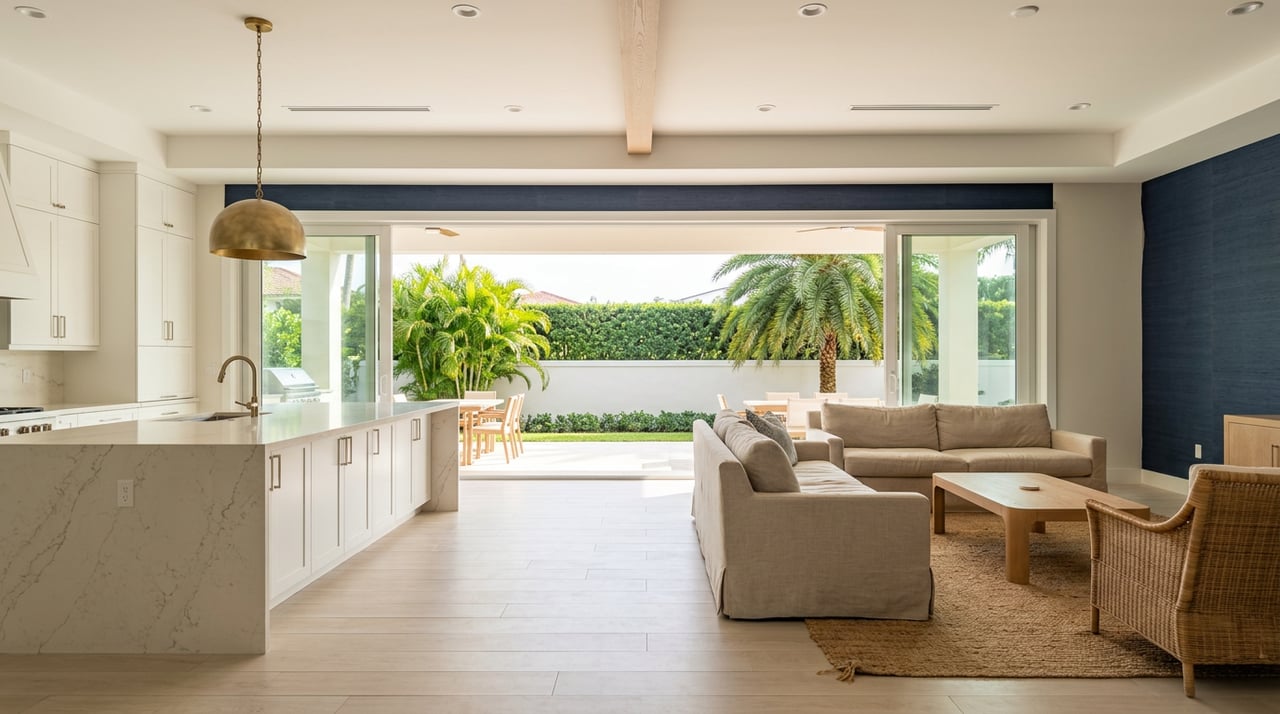
Parkland HOA Transparency Law: Gated Community Documents
September 24, 2026
September 24, 2026
A buyer looking at Heron Bay and MiraLago at the same time will usually do the obvious math first. One community lists HOA dues in the $400 to $500 range, the other closer to $300 to $400. The cheaper number looks like the better deal, and for years that comparison was about as far as anyone could take it without seeking additional association records.
The Legislation Impacting Florida Homeowners Associations overview says that HOAs with 100 or more parcels had to maintain a compliant website by January 1, 2025. The Florida HOA Laws 2025 page describes a requirement for associations with 100 or more parcels to post governing documents, budgets, and insurance policies on a website or portal. Heron Bay, Parkland Bay, MiraLago, Watercrest, and Parkland Golf & Country Club are among the communities buyers may compare, and association documents can add context to the fee sheet before an offer.
The number on the fee sheet was never the full picture. Now there's a way to see the rest of it.
Before this law, getting a fuller picture of an association's finances could mean making a records request or relying on the information in a listing. The revised statute, tied to House Bill 1203 and the Chapter 720 amendments that took effect July 1, 2024, changed that by requiring associations above the 100-parcel line to maintain an accessible portal. That portal has to include budgets and insurance policies.
This is separate from the newer rule affecting condominium buildings under Chapter 718. New HOA Laws in Florida describes a parallel website requirement for condo associations with 25 or more units, effective January 1, 2026.
The 100-parcel threshold sounds like it might only apply to the largest developments.
Heron Bay is one of the city's biggest communities by any account, though sources disagree on exactly how big. Some describe it as just over 1,000 homes; others put the figure north of 3,000 once condos, villas, and townhomes across its many subdivisions are counted. Parkland Bay, a smaller and more contained gated community, has 552 homes. MiraLago includes its newer Cascata section, built by Lennar between 2018 and 2021, while Watercrest is known for its organized owner portal and transponder-gate system.
Parkland Golf & Country Club adds a wrinkle worth knowing about before you tour it: the 790-acre community is built around a Greg Norman-designed course.
The City of Parkland maintains a public list of the management companies handling many of these associations, including Miami Management and Benchmark Property Management for various communities. That list is a reasonable starting point if you want to confirm who actually runs a given HOA before you go looking for its portal.
Here's what the new requirement actually puts in front of a buyer, and what each document tells you that the fee sheet doesn't:
| What the portal now includes | What it actually tells you |
|---|---|
| Budget | Whether the fee reflects real operating costs or is being kept artificially low |
| Insurance policies | What the association's master policy covers, which determines what your individual policy needs to cover |
Two communities can advertise nearly identical dues and be in completely different financial positions. A $400 monthly fee that fully funds a reserve schedule is a healthier number than a $350 fee that's been kept artificially low because the board deferred a roof replacement or a clubhouse renovation for three years running. Underfunded reserves are the most common cause of the surprise special assessments that catch new owners off guard, and a headline fee tells you nothing about which side of that line an association sits on.
This is exactly the gap the transparency law was built to close. A buyer who requests the reserve schedule alongside the budget can see whether the dues are covering real costs or just this year's costs, with next year's problem being pushed down the road.
Before you get attached to a specific unit or lot, ask for three things from the association: the current budget, the reserve funding schedule, and the last twelve months of meeting minutes. Read the minutes last, since they're where deferred problems tend to surface first.
The portal exists, but knowing when to pull from it matters as much as knowing it's there.
If you're selling into one of these communities and your association's books are in good shape, this law works in your favor. A reserve schedule that's fully funded, minutes that show a board handling issues instead of avoiding them, and a clean budget can all be useful selling points. That's worth mentioning to your agent early.
The reverse is also true. If an association has been underfunding its reserves, a buyer's agent doing this kind of homework is going to find it, and it's better for a seller to know that going in than to discover it during a renegotiation after the documents surface.
The $400 versus $350 comparison between two Parkland communities was never wrong, exactly. It was just incomplete. The dues number tells you what you'll pay next month. The reserve schedule tells you whether that number is sustainable or waiting for a correction. Buyers who take the extra step to read both are the ones who won't be surprised two years into ownership.
If you're comparing gated communities in Parkland and want a second set of eyes on what an association's documents actually say before you make an offer, Timothy Byrne has spent 25 years working through exactly this kind of homework with buyers and sellers across Broward and Palm Beach County, often alongside his son Colin. Let's Connect and go through it together.
A few questions this raises
Does this apply to Parkland's non-gated, established neighborhoods too? The requirement is tied to parcel count, not to whether a community has a gate. Any Parkland HOA with 100 or more parcels has to comply regardless of style or age. Smaller, established neighborhoods that fall under that number aren't required to maintain the same kind of portal.
Is this the same law driving the reserve studies I've heard about on condo buildings? No. This article focuses on the Chapter 720 HOA website requirement described above, not condo requirements. If a Parkland development includes a condo or co-op section, consider that section separately.
What if the portal is missing something the law says it should include? A gap for something older, like a reserve schedule from two years ago, is worth asking the management company about directly before you assume the document simply doesn't exist.
This article is general information, not legal, tax or financial advice. Consult a qualified professional about your situation.
Stay up to date on the latest real estate trends.
Hello and thank you for visiting!! It is my goal as your full service real estate company specializing in the Coral Springs, Parkland, and Broward County & Palm Beach County areas, to provide you with superior service at all times. My local expertise and extensive real estate experience will benefit you whether you are serious about buying or selling a home at this time, or are a returning client checking out the many homeowner resources I offer.